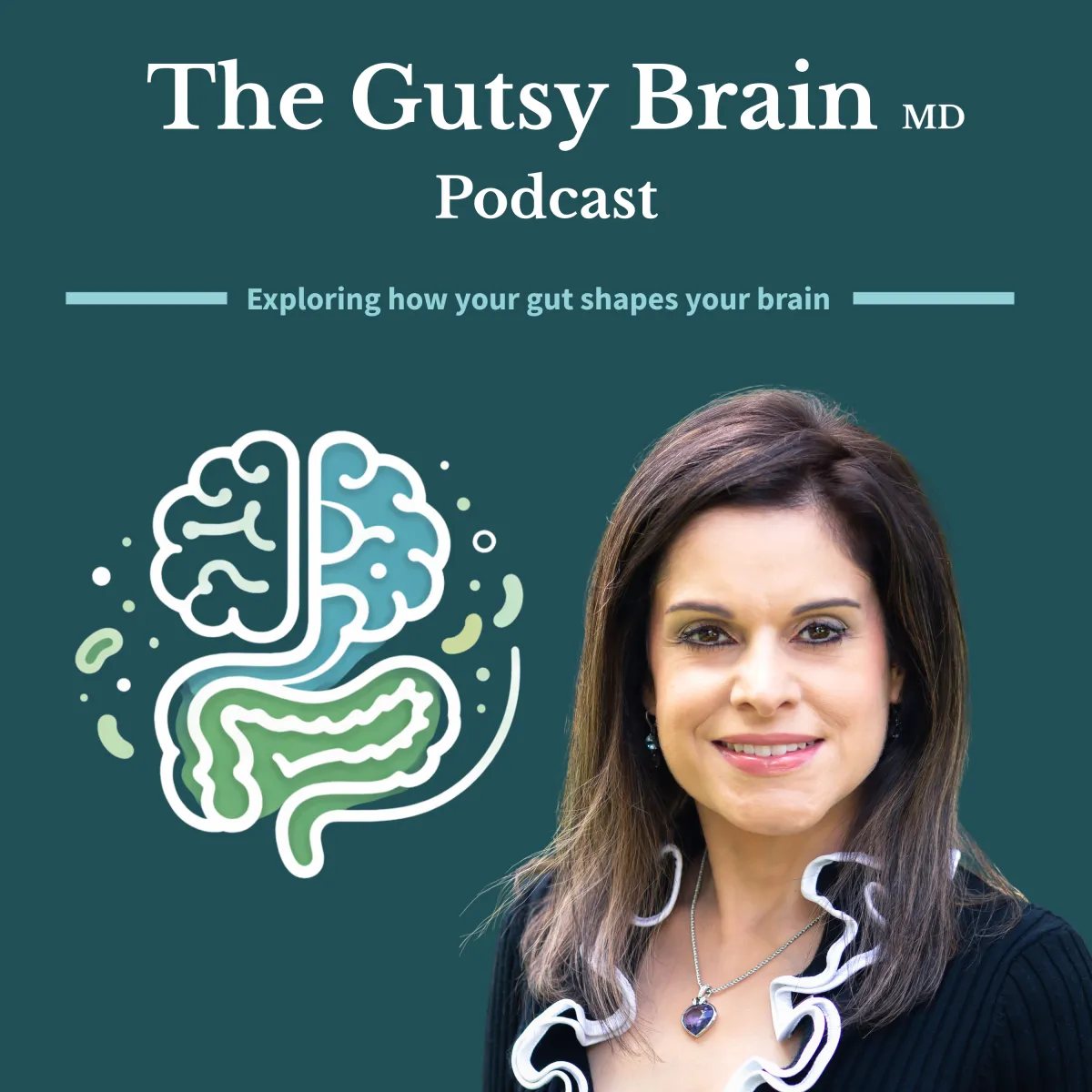
The Gut May Be the Missing Piece of Brain Health.
Hosted by:
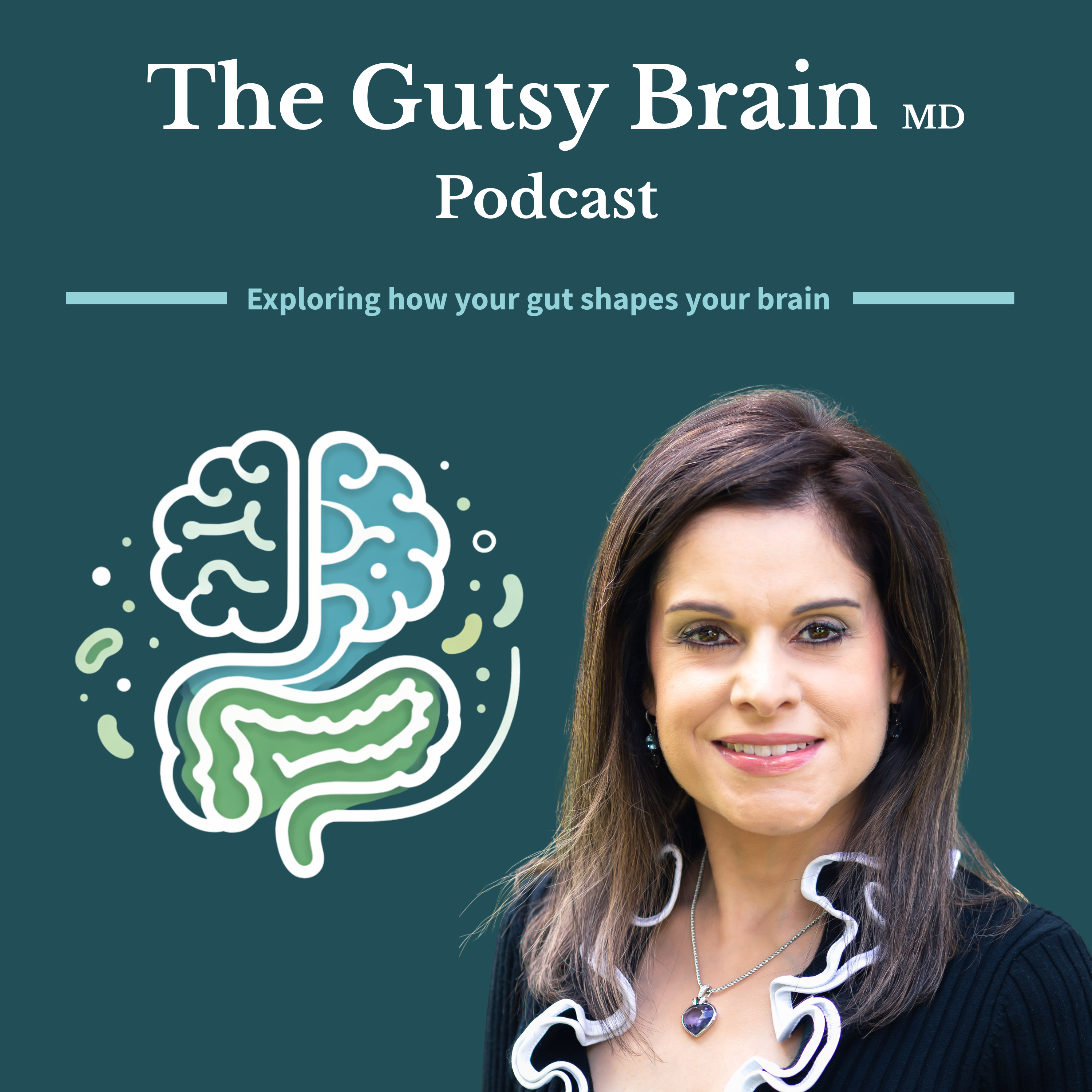
Dr. Rana Mafee, MD
The Gut May Be the Missing Piece of Brain Health.
Hosted by:
Dr. Rana Mafee, MD
Are Your Medications Wrecking Your Microbiome?
Are Your Medications Wrecking Your Microbiome?
Could the medications you take every day be changing your gut microbiome—and potentially influencing your brain health?
Most of us know that antibiotics can disrupt our gut bacteria. But what about medications like acid blockers, ibuprofen, antidepressants, metformin, or statins?
It turns out that many medications that have nothing to do with treating infections can influence the trillions of microorganisms living in our digestive tract.
And here's what's particularly fascinating: Not all of these changes are necessarily harmful.
Some medications may actually produce part of their therapeutic benefits through their effects on the microbiome.
In this episode of The Gutsy Brain MD Podcast, Dr. Rana Mafee, a neurologist trained in integrative medicine, explores the surprising relationship between commonly prescribed medications and the gut microbiome.
You'll learn how certain medications may alter microbial diversity, influence intestinal barrier function, change the gut environment, and potentially affect the gut-brain-immune axis.
We'll also explore emerging research examining possible connections between long-term medication use and cognitive health, including observational studies investigating antibiotics, proton pump inhibitors, and dementia risk.
But this episode isn't about avoiding medications. Medications save lives, and many are essential for treating serious medical conditions.
The goal is to understand how medications interact with our body's interconnected systems—and how we can use them more thoughtfully while supporting gut health.
Your gut isn't just responsible for digestion.
The trillions of microbes living in your digestive tract interact with your immune system, intestinal lining, metabolism, and nervous system.
They help break down dietary fiber, produce beneficial compounds such as short-chain fatty acids, and participate in the ongoing communication between your gut and brain.
When medications change the intestinal environment, they may also influence this complex microbial ecosystem.
And the relationship works both ways: Medications can change your microbes, but your microbes may also influence how medications are metabolized and how effectively they work.
Key Takeaways
1. Antibiotics aren't the only medications that affect your microbiome.
Acid blockers, NSAIDs, psychiatric medications, metformin, opioids, laxatives, and statins can all interact with the gut microbial ecosystem.
2. Changing the microbiome doesn't always mean damaging it.
Some medications, including metformin, may exert part of their beneficial effects through changes in gut bacteria.
3. Your gut microbiome and brain are interconnected.
Emerging research is exploring whether medication-related microbiome changes may influence neurological and cognitive health. However, observational associations do not establish that medications cause dementia.
4. Medication necessity and duration matter.
A medication that is essential today may not always be necessary indefinitely. Periodic medication reviews can help identify opportunities to reduce unnecessary exposure.
5. Supporting your microbiome starts with everyday habits.
Dietary diversity, fiber, exercise, sleep, regular bowel movements, and appropriate medication use remain foundational strategies for maintaining gut health.
6. The future of medicine may be increasingly personalized.
One day, understanding an individual's gut microbiome may help clinicians predict medication responses, side effects, and treatment effectiveness.
Final Thought:
Protecting your microbiome doesn't mean being afraid of medications. It means recognizing that your body is an interconnected ecosystem and making informed decisions about the treatments you use.
Medications can be lifesaving. The goal is to use them wisely while supporting the biological systems that contribute to long-term health.
And as I always say: Protect your gut…protect your brain.
If you enjoyed this episode, share it with someone who might benefit from understanding how their medications interact with their gut health.
Follow The Gutsy Brain MD Podcast for more evidence-based conversations about the gut-brain connection, the microbiome, and integrative approaches to brain health.
Medical Disclaimer
This podcast is intended for educational and informational purposes only and does not constitute individualized medical advice. Do not discontinue or modify prescribed medications without consulting your healthcare professional.
Sign up for my newsletter to never miss a beat, get transcripts of episodes and get all the latest updates on upcoming podcast Episodes!
*DISCLAIMER: This podcast is for information purposes only. The content in this podcast and on this webpage is not intended to be a substitute for professional medical advice, diagnosis, or treatment. Always seek the advice of your doctor or qualified healthcare provider. Never disregard professional medical advice or delay in seeking it because of something you have heard on my content or website.

Want to connect?
Learn more about Dr. Rana here!
General questions?
Facebook
Instagram
LinkedIn