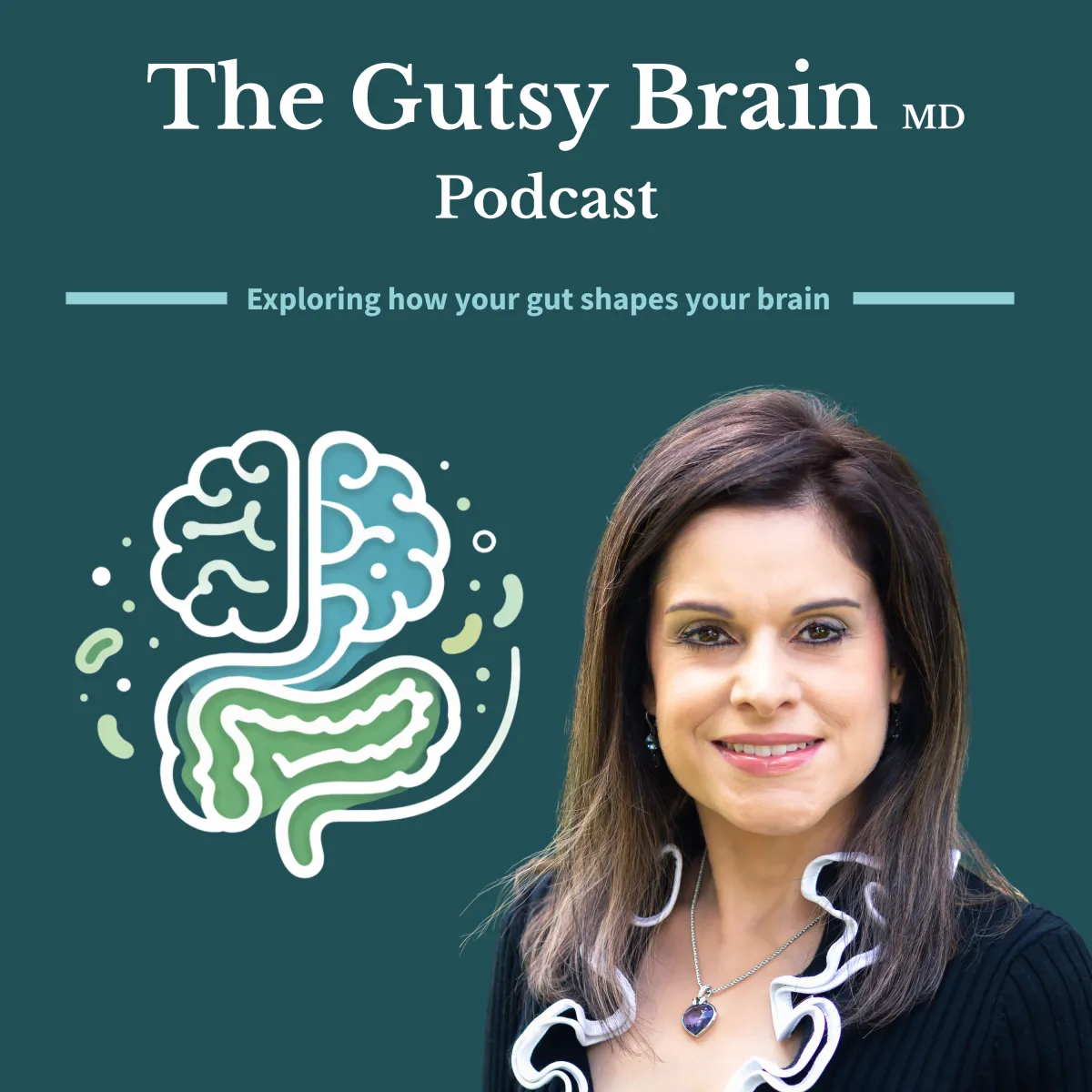
The Gut May Be the Missing Piece of Brain Health.
Hosted by:
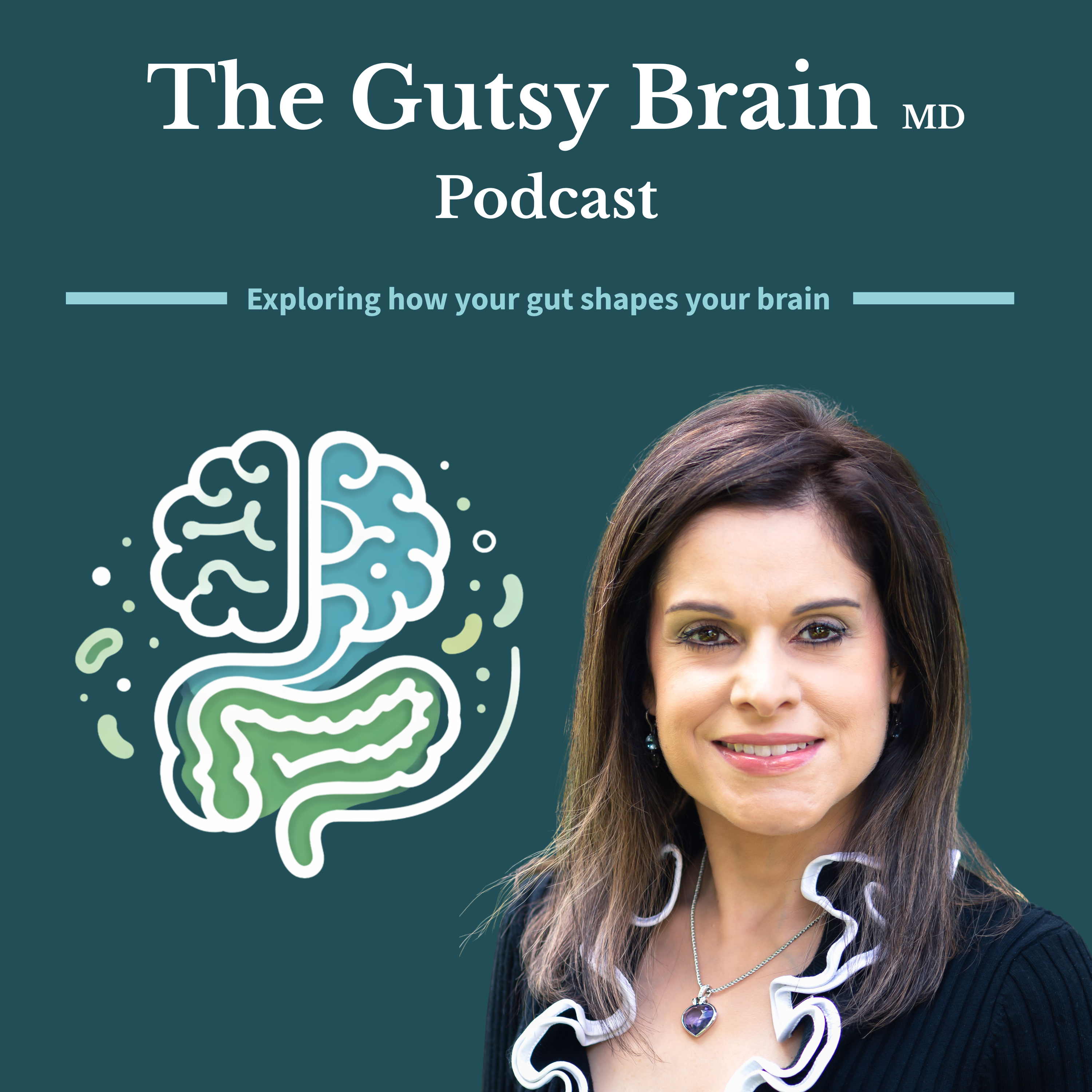
Dr. Rana Mafee, MD
The Gut May Be the Missing Piece of Brain Health.
Hosted by:
Dr. Rana Mafee, MD
IBS is Not Benign: What Your Your Gut May Be Trying To Tell You
IBS Is Not Benign: What Your Gut May Be Trying to Tell You
Irritable Bowel Syndrome affects millions of people, yet too often patients are left with the message: “It’s just IBS.”
But IBS is more than bloating, constipation, diarrhea, or abdominal pain—and the diagnosis itself doesn't necessarily explain why those symptoms are happening.
In this episode of The Gutsy Brain MD Podcast, Dr. Rana Mafee takes a deeper look at IBS through a gut-brain and systems biology lens. Rather than viewing IBS as one disease with one cause, she explores the many different biological processes that can produce remarkably similar digestive symptoms.
From food intolerances and digestive enzyme deficiencies to SIBO, SIFO, dysbiosis, infections, medications, stress, sleep, and inadequate fiber, IBS may sometimes be less of a final diagnosis and more of a clue that something within the digestive ecosystem deserves further investigation.
And because the gut doesn't exist in isolation, the conversation goes far beyond digestion.
Key Takeaways:
• IBS describes symptoms—but doesn't always explain their cause.
IBS is diagnosed based on a recognizable pattern of abdominal pain and altered bowel habits. The symptoms are very real, but the diagnosis itself doesn't necessarily tell us why a particular person's digestive system became disrupted.
• Two people with IBS may have very different underlying contributors.
Similar symptoms can arise from very different processes, including food intolerances, microbiome disruption, SIBO, SIFO, gastrointestinal infections, digestive enzyme deficiencies, medication effects, chronic stress, poor sleep, and inadequate dietary fiber.
• IBS can develop after a gastrointestinal infection.
For some people, digestive symptoms begin after food poisoning, traveler's diarrhea, or another intestinal infection. Even after the acute infection resolves, changes in immune activity, the microbiome, intestinal function, and gut-brain signaling may persist.
• Your microbiome plays a central role in digestive health.
The trillions of microorganisms living in the gut help digest fiber, produce beneficial compounds such as short-chain fatty acids, support the intestinal barrier, interact with the immune system, and communicate with the brain.
• Fiber is much more than “roughage.”
Fiber provides fuel for beneficial gut microbes. When fiber intake is inadequate, the microbial ecosystem and production of beneficial metabolites such as butyrate can change—one reason diet plays such an important role in gut health.
• Healthy digestion shouldn't dominate your life.
Eating shouldn't routinely result in significant pain or bloating. Bowel movements should generally be comfortable, predictable, and easy to pass. Chronic digestive symptoms shouldn't simply be accepted as a normal part of aging.
• IBS doesn't necessarily stay in the gut.
People with IBS are more likely to experience conditions such as anxiety, depression, migraine, fibromyalgia, chronic fatigue, and chronic pain. And chronic constipation can even precede a diagnosis of Parkinson's Disease by decades. These associations highlight the complex, bidirectional communication between the gut, brain, immune system, and nervous system.
• The gut-brain axis works in both directions.
Stress and anxiety can influence digestion, motility, and the microbiome—and digestive dysfunction can influence the brain and mood. Rather than asking whether a problem is “in the gut” or “in the brain,” it may be more useful to recognize the continuous conversation between the two.
• Symptom relief and investigating underlying contributors can coexist.
Medications, dietary interventions, fiber, peppermint oil, psychological therapies, pelvic floor therapy, and other conventional treatments can meaningfully improve quality of life. Looking for potential contributors doesn't mean abandoning symptom management. Often, both approaches belong in good care.
• Know the warning signs that deserve further evaluation.
Blood in the stool, unexplained weight loss, persistent vomiting, anemia, nighttime diarrhea, fever, or a strong family history of colon cancer or inflammatory bowel disease should not simply be attributed to IBS and warrant medical evaluation.
• A Different Way to Think About IBS:
Instead of asking only:
“What can I take for my IBS?”
Consider asking:
“What might be contributing to these symptoms in this particular person?”
That shift—from simply labeling symptoms to understanding the biology behind them—is at the heart of this episode.
IBS isn't necessarily one disease with one solution. And not everyone needs extensive testing or has a single hidden “root cause.” But persistent symptoms deserve curiosity.
Your gut is constantly communicating with your brain, immune system, metabolism, and the rest of your body. Sometimes digestive symptoms are one of the first clues that something within that interconnected system deserves attention.
In an upcoming episode of The Gutsy Brain MD Podcast, we're tackling one of the most talked-about—and misunderstood—tools in digestive health: stool testing. What can a stool test actually tell you? What can't it tell you? And when is testing worth considering?
Subscribe to The Gutsy Brain MD Podcast so you don't miss it.
Protect your gut. Protect your brain.
Sign up for my newsletter to never miss a beat, get transcripts of episodes and get all the latest updates on upcoming podcast Episodes!
*DISCLAIMER: This podcast is for information purposes only. The content in this podcast and on this webpage is not intended to be a substitute for professional medical advice, diagnosis, or treatment. Always seek the advice of your doctor or qualified healthcare provider. Never disregard professional medical advice or delay in seeking it because of something you have heard on my content or website.

Want to connect?
Learn more about Dr. Rana here!
General questions?
Facebook
Instagram
LinkedIn